
As parents, we often look for obvious signs that our children aren’t coping at school — poor marks, disciplinary problems, or constant complaints about learning.
But many children who are not truly coping don’t show clear outward signs at first.
Some continue achieving acceptable marks while quietly becoming overwhelmed. Others work twice as hard as their peers just to keep up. Some hold everything together at school and then emotionally unravel at home.
This can make it incredibly difficult to know whether your child is simply experiencing normal school stress — or whether something deeper is happening.
This page is here to help you recognise the difference calmly and clearly.
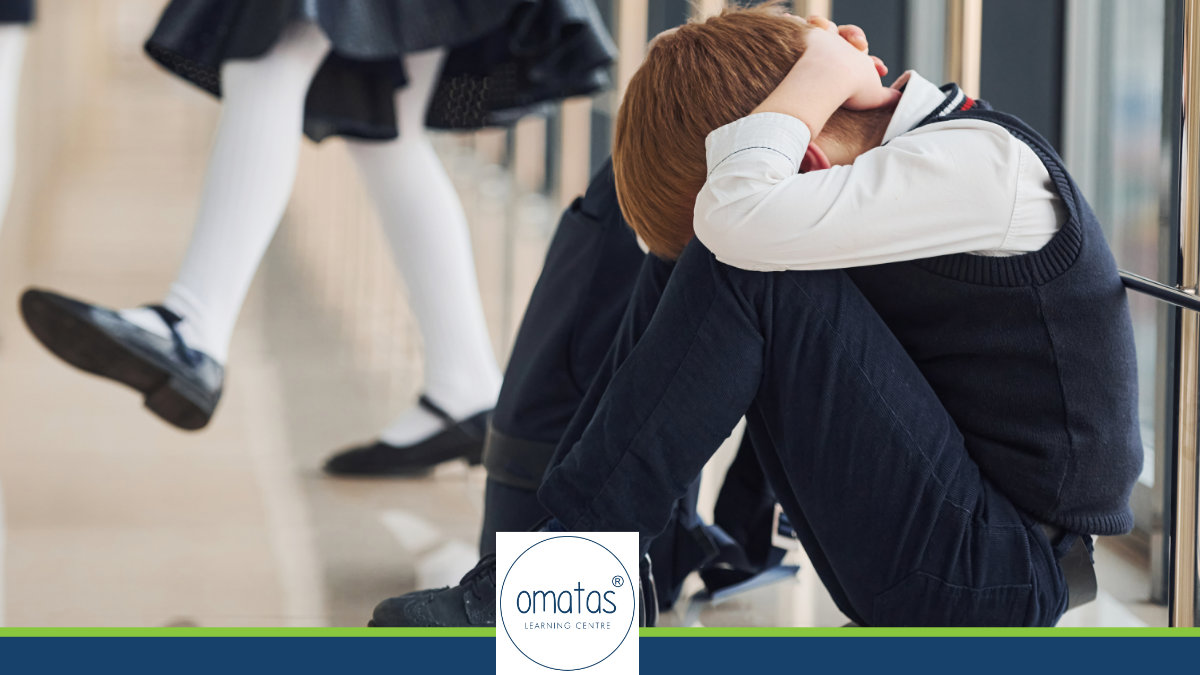
What “coping” at school actually means
Coping at school is about far more than academic performance.
A child may appear to cope because:
- Their reports are still “good enough”
- Teachers describe them as quiet or compliant
- They continue attending school every day
But true coping includes:
- Emotional wellbeing
- Confidence
- Energy levels
- Resilience
- Ability to engage with learning sustainably
A child who is constantly anxious, exhausted, or emotionally overwhelmed is not truly coping — even if marks have not yet dropped significantly.
Signs your child may not be coping emotionally
Emotional signs are often the earliest indicators that school is becoming too much.
You may notice:
- Increased anxiety before school
- Frequent tears, irritability, or emotional shutdowns
- Resistance to homework or school routines
- Complaints of feeling sick before school
- Difficulty sleeping on school nights
- Emotional exhaustion after school
- Increased sensitivity or frustration over small things
Sometimes children cannot fully explain what feels wrong. Instead, the distress shows up through behaviour, mood, or physical symptoms.
Academic signs to watch for
Academic difficulties do not always mean a child needs a different school environment — but persistent patterns deserve attention.
Signs may include:
- Falling behind despite obvious effort
- Homework is becoming increasingly stressful
- Difficulty retaining information
- Strong verbal understanding but weak written output
- Avoidance of reading, writing, or maths tasks
- Constant need for supervision to complete work
Many intelligent children begin believing they are “bad at school” simply because the learning environment does not suit how they process information.
Behavioural changes that may signal overwhelm
When children feel overwhelmed, their behaviour often changes before they can articulate what they’re experiencing.
You may notice:
- Withdrawal from hobbies or social activities
- Increased anger or defiance
- Perfectionism and fear of making mistakes
- Sudden loss of motivation
- Frequent headaches or stomach aches
- Difficulty regulating emotions after school
Some children become quieter and more withdrawn. Others become more reactive or oppositional. Both can be signs of stress and overload.
Why some children hide that they’re struggling
Not all children openly show distress.
In fact, many children work incredibly hard to hide their difficulties because they:
- Don’t want to disappoint adults
- Fear being seen as “different”
- Feel embarrassed about struggling
- Want to keep up with peers at all costs
Children with ADHD, autism, anxiety, dyslexia, or other learning differences often become skilled at “masking” — appearing fine externally while using enormous emotional energy internally.
This is why parents often say:
“I had no idea how hard they were working just to get through the day.”
When school stress becomes more than “normal”
All children experience occasional stress at school. Difficult tests, friendship issues, or adjustment periods are a normal part of growing up.
The concern arises when stress becomes:
- Persistent
- Escalating
- Emotionally costly
- Difficult to recover from
A child may not be coping if:
- Every school day feels like survival
- Anxiety remains constant over time
- Recovery takes hours every afternoon
- School dominates family life emotionally
The question is not whether school is sometimes hard. The question is whether the current environment is sustainable for your child.
What often happens when a child keeps coping for too long
When children stay in overwhelming environments for extended periods, the impact often goes beyond academics.
Over time, you may see:
- Burnout and emotional exhaustion
- Increasing anxiety patterns
- Loss of confidence
- School avoidance
- Growing belief that they are incapable or “stupid”
This is why early recognition matters. Children can recover from learning gaps far more easily than from prolonged damage to self-esteem and identity.
How learning differences can affect coping
Children with learning differences often experience school very differently from their peers.
Conditions such as:
- ADHD
- Dyslexia
- Dyspraxia
- Autism
- Auditory processing difficulties
can affect:
- Processing speed
- Attention regulation
- Working memory
- Emotional regulation
- Classroom stamina
Many of these children are highly intelligent — but are expending enormous effort simply trying to function within environments not designed around their learning profile.
Struggling does not mean a child is lazy or incapable. Often, it means they are overwhelmed.
What supportive learning environments can change
When children are placed in environments that better match their needs, the first change is often emotional.
Parents frequently notice:
- Reduced anxiety
- Better emotional regulation
- Greater willingness to attempt tasks
- Improved confidence
- Increased engagement with learning
Academic progress often follows once the child no longer feels constantly under threat or pressure.
The right environment does not remove challenge entirely — but it makes challenge feel manageable rather than defeating.
Questions to ask yourself as a parent
If you’re unsure whether your child is coping, it can help to reflect on a few honest questions:
- Is my child thriving at school — or simply surviving?
- Does school leave them emotionally depleted?
- Are we constantly firefighting at home?
- Has their confidence changed over time?
- Does learning feel motivating or overwhelming for them?
- If nothing changes, how might they feel about school a year from now?
These questions are not about blame. They are about perspective and understanding.
What to do if you think your child isn’t coping
If many of these signs feel familiar, you do not need to panic or make immediate decisions.
Helpful next steps may include:
- Speaking openly with teachers
- Observing patterns over time
- Seeking professional guidance
- Exploring different learning environments
- Asking questions without pressure to commit
Often, clarity develops gradually through conversation and observation.
How OMATAS supports children who are struggling to cope at school
At OMATAS Learning Centre, support begins with understanding the child as a whole person — not just a set of academic outcomes.
The focus is on:
- Emotional safety
- Individual learning profiles
- Small-group learning
- Confidence rebuilding
- Long-term developmental growth
Many families arrive feeling exhausted and unsure. Sometimes the most important step is simply recognising that a child may need a different kind of support.
Taking the next step
If you’re concerned that your child may not be coping at school, you don’t need to navigate the uncertainty alone.
Exploring different learning environments, asking questions, and seeking guidance does not mean you are overreacting. It means you are paying attention.
And often, that attention is the beginning of meaningful change.