
Part 1
Choosing a school is one of the biggest decisions any parent will make.
When your child has ADHD, that decision can feel even more significant.
You may find yourself reading school websites late at night, asking for recommendations in parenting groups, speaking to therapists, and wondering whether your child would be happier somewhere else. Every school promises a supportive environment. Every brochure talks about nurturing children. Yet it’s difficult to know what any of that actually looks like in practice.
Perhaps the biggest fear is making the wrong choice.
What if you move schools unnecessarily?
What if your child struggles even more?
What if you leave a school too soon, or stay too long?
These are natural questions, and there are rarely simple answers.
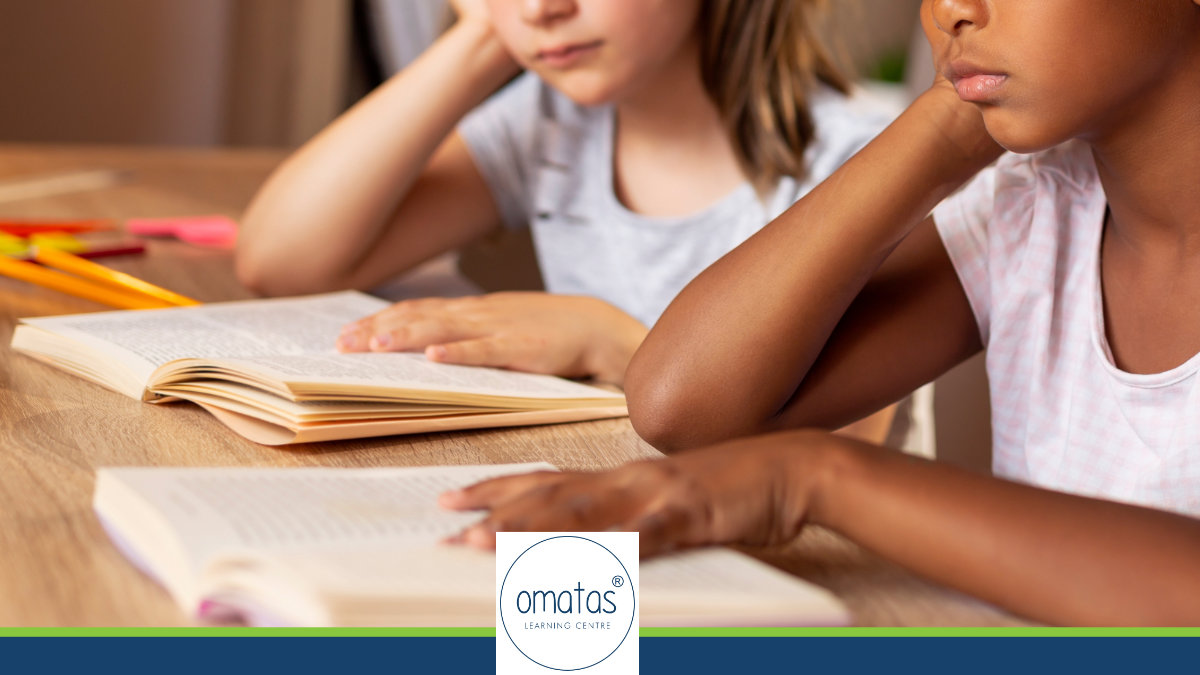
The encouraging news is that finding the right school is not about identifying the “best” school. It is about finding the environment where your child is most likely to flourish.
That means looking beyond league tables, facilities, and marketing brochures. It means understanding how your child learns, what support they need, and which environment allows them to develop confidence alongside academic skills.
This guide will help you evaluate schools thoughtfully, ask better questions, and make a decision based on what matters most.
There is no perfect school for every child with ADHD
One of the first things parents discover after an ADHD diagnosis is that advice can be contradictory.
One person tells you to keep your child in mainstream education.
Another insists that only remedial schooling works.
Someone else recommends a specialised programme.
The truth is much more nuanced.
ADHD is not a single experience.
Two children with the same diagnosis may have completely different strengths, challenges, personalities, and support needs.
One child may thrive in a busy mainstream classroom with a teacher who understands how they learn.
Another may become overwhelmed by the same environment and flourish in a smaller class with more individual support.
Neither child is “more ADHD.”
They simply need different things.
The goal is not to find the school that is supposedly best for children with ADHD.
The goal is to find the school that is best for your child.
Start by understanding your child, not the diagnosis
Before comparing schools, it helps to step back and think carefully about your child as an individual.
Ask yourself:
- What situations bring out my child’s strengths?
- What situations consistently lead to frustration?
- Does my child learn best through discussion, movement, visuals, or hands-on activities?
- How do they respond when they make mistakes?
- Do they become overwhelmed by noise, pace, or too many instructions?
- What has helped them succeed in the past?
These questions shift the focus away from labels and toward understanding.
The more clearly you understand your child’s learning profile, the easier it becomes to recognise an environment where they are likely to thrive.
Remember, ADHD explains how your child processes the world. It doesn’t define who they are.
What to look for in a school
Parents often ask,
“What makes a school good for children with ADHD?”
The answer isn’t one specific programme or teaching method.
Instead, it’s a combination of many small things working together.
Here are some of the most important areas to consider.
Class size
Class size matters because it affects how much individual attention a teacher can realistically provide.
In smaller classes, teachers often have greater opportunity to:
- Notice when a child is becoming overwhelmed.
- Adjust explanations when needed.
- Build meaningful relationships.
- Provide timely encouragement.
- Identify learning gaps before they become larger problems.
This doesn’t mean every child needs the smallest possible class.
Instead, ask whether the class size allows teachers to genuinely know each learner.
Teaching flexibility
Children with ADHD rarely benefit from rigid, one-size-fits-all teaching.
Look for schools where teachers can adapt:
- the pace of lessons
- teaching strategies
- classroom activities
- methods of explaining concepts
- opportunities for movement
- ways children demonstrate understanding
Flexibility is often more valuable than expensive facilities.
Executive functioning support
Executive functioning skills include:
- planning
- organisation
- working memory
- time management
- task initiation
- self-monitoring
Many children with ADHD find these skills particularly challenging.
Ask how the school helps children develop these abilities rather than simply expecting them to already have them.
Schools that intentionally teach organisational skills often produce more confident, independent learners over time.
Teacher-child relationships
Research consistently shows that positive relationships with teachers have a profound impact on children’s learning.
Children with ADHD especially benefit from adults who:
- remain calm
- understand behaviour as communication
- offer consistent encouragement
- provide predictable boundaries
- separate behaviour from identity
Children should never leave school believing they are “the naughty child.”
A supportive teacher helps children understand that mistakes are opportunities for learning, not evidence that something is wrong with them.
Emotional wellbeing
Academic success should never come at the expense of emotional wellbeing.
Ask yourself:
Does this school seem emotionally safe?
Observe whether children appear:
- relaxed
- engaged
- curious
- comfortable asking questions
- willing to participate
Children learn best when they feel psychologically safe.
That safety often becomes the foundation upon which confidence, resilience, and academic progress are built.
Parent communication
A good school doesn’t simply teach children.
It partners with parents.
Look for schools that communicate openly about:
- progress
- challenges
- strategies
- successes
- goals
Strong parent-school relationships create consistency between home and school, giving children the best opportunity to succeed.
Learning philosophy
Every school has a philosophy, whether written down or not.
Some focus primarily on academic performance.
Others emphasise holistic development.
Neither is automatically right or wrong.
The important question is whether the school’s philosophy aligns with your own hopes for your child.
Do you want your child simply to pass exams?
Or do you also want them to become:
- confident
- resilient
- independent
- curious
- emotionally healthy
These outcomes often influence long-term success far more than marks alone.
ADHD School Visit Checklist
One of the best ways to evaluate a school is to spend time observing it.
Marketing brochures are carefully written.
Websites are professionally designed.
But walking through a school gives you an entirely different perspective.
As you visit schools, consider taking this checklist with you.
Classroom Environment
✓ Are classrooms calm but engaging?
✓ Do children appear focused without looking fearful?
✓ Is there unnecessary noise and distraction?
✓ Is movement managed naturally?
Teacher Interaction
✓ Do teachers know learners by name?
✓ Are corrections calm and respectful?
✓ Are children encouraged to ask questions?
✓ Is praise focused on effort as well as achievement?
Learning
✓ Are different teaching approaches used?
✓ Do children participate actively?
✓ Is learning adapted when children struggle?
✓ Are mistakes treated as opportunities to learn?
Emotional Wellbeing
✓ Do children seem happy to be there?
✓ Do they interact positively with teachers?
✓ Do they appear confident?
✓ Is kindness part of the school culture?
Executive Functioning Support
✓ Are routines clearly visible?
✓ Are expectations communicated consistently?
✓ Are children taught organisational skills?
✓ Are transitions between activities well managed?
Parent Partnership
✓ Does the school encourage parent involvement?
✓ Are concerns discussed openly?
✓ Is communication regular?
✓ Do staff seem willing to answer questions honestly?
Questions to ask during your visit
Rather than asking only about academic results, consider questions such as:
- How do teachers support children who struggle to maintain attention?
- What happens when a learner becomes overwhelmed?
- How do you help children develop independence?
- How do you communicate with parents?
- What does progress typically look like during a child’s first year?
- How do you support children emotionally as well as academically?
- How do teachers work with therapists and other professionals when needed?
These conversations often reveal far more than statistics or prospectuses.