
Part 2 (Read Part 1 here)
Signs a school may not be the right fit
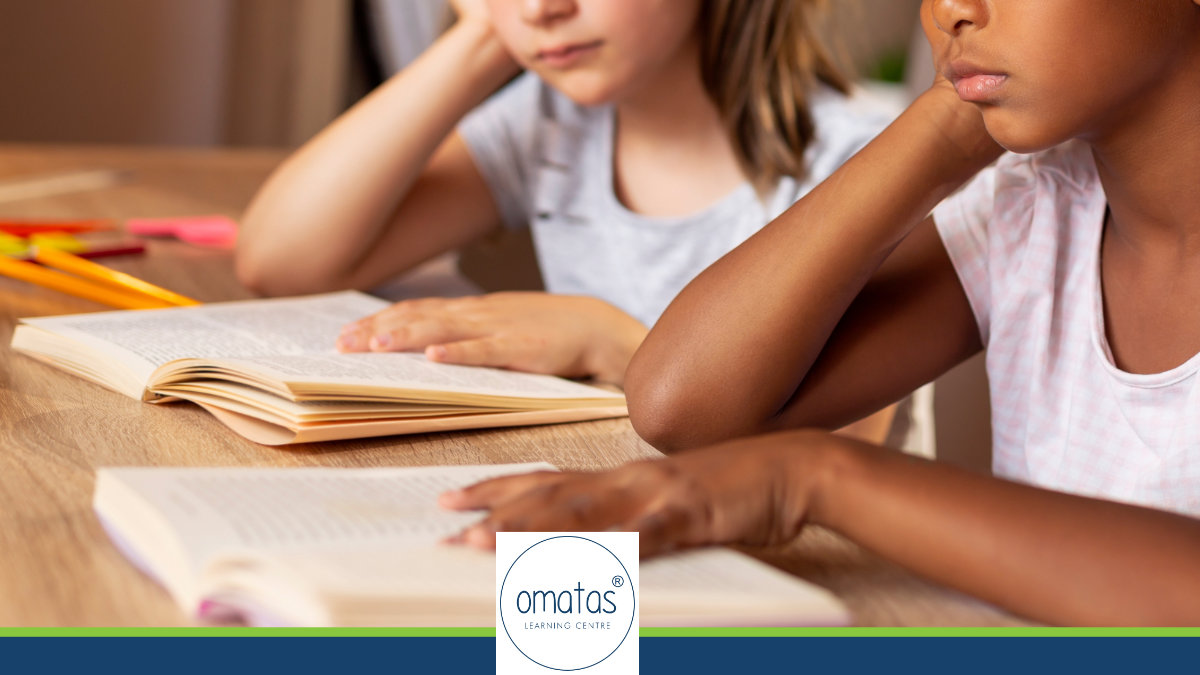
Not every challenge at school means your child needs to move. Every child has difficult days, and every school has limitations.
However, if the same concerns continue despite reasonable support and open communication, it may be worth asking whether the learning environment is the right fit.
Some signs to pay attention to include:
- Your child’s confidence continues to decline.
- They regularly describe themselves as “stupid”, “lazy”, or “bad at school”.
- Homework has become a nightly battle that leaves everyone frustrated.
- Teachers consistently focus on behaviour rather than understanding what may be driving it.
- Your child appears emotionally exhausted after school every day.
- Anxiety about school continues to increase.
- Despite everyone’s efforts, meaningful progress remains limited.
The important thing is not to focus on one isolated incident, but on patterns over time.
A supportive school should help your child gradually feel more capable, not less.
Looking beyond academic results
When choosing a school, it’s natural to compare pass rates, academic programmes and examination results.
While these are important, they don’t tell the whole story.
Ask yourself:
Who is my child becoming while they are at this school?
Are they becoming:
- more curious?
- more independent?
- more resilient?
- more willing to tackle challenges?
- more confident in themselves?
Or are they becoming increasingly anxious, withdrawn, or convinced that learning simply isn’t for them?
Academic success matters.
But confidence, emotional wellbeing and a positive relationship with learning often matter even more because they influence everything that follows.
Children who believe they are capable are more likely to continue learning long after they leave school.
Remember that children grow and change
One important thing to remember is that schools are not permanent labels.
The right environment for a seven-year-old may not be the right environment at twelve.
Likewise, a child who initially benefits from mainstream education may later need additional support as academic demands increase.
Another child may spend several years in a remedial environment before successfully transitioning back into a mainstream school.
Good educational decisions are responsive rather than fixed.
Rather than asking:
“What school should my child attend forever?”
It is often more helpful to ask:
“What environment will best support my child at this stage of their development?”
Giving yourself permission to review that decision over time can remove much of the pressure to find a “perfect” solution.
Why visiting a school matters more than reading about it
Websites, prospectuses and social media provide useful information, but they can never fully capture the experience of being in a school.
A visit allows you to notice things that cannot easily be described.
As you walk through the school, pay attention to questions such as:
- How do teachers speak to children?
- How do children respond when they make mistakes?
- Do classrooms feel calm or tense?
- Do learners seem engaged?
- Is there laughter?
- Do children look comfortable asking questions?
- How do staff respond when a child needs extra help?
These observations often tell you more about a school’s culture than any brochure ever could.
Most importantly, notice how you feel.
Many parents describe a sense of relief when they walk into an environment that simply feels right for their child.
That instinct is worth paying attention to.
No school can remove every challenge
It is important to be realistic.
No school, whether mainstream, remedial or specialised, can remove ADHD.
Nor should that be the goal.
Children still need to develop resilience.
They still need to learn how to organise themselves, persevere through challenges and take responsibility for their learning.
The difference lies in how schools help them develop those skills.
A supportive environment doesn’t eliminate challenge.
It provides the right amount of challenge with the right amount of support.
That balance allows children to experience success while continuing to grow.
Working together with professionals
Choosing the right school is rarely a decision parents make alone.
Occupational therapists, educational psychologists, speech therapists, paediatricians and teachers often have valuable insights into how a child learns.
Each professional brings a different perspective.
Parents bring something equally valuable.
You know your child better than anyone else.
The strongest decisions are usually made when everyone works together, sharing observations and focusing on the child’s long-term wellbeing rather than defending a particular approach.
Education works best when it is collaborative.
How OMATAS supports learners with ADHD
At OMATAS Learning Centre, we believe that choosing the right school starts with understanding the child, not the diagnosis.
Every learner arrives with their own combination of strengths, challenges, interests and experiences.
Our role is to create an environment where those strengths can grow.
That includes:
- Small class sizes that allow teachers to build meaningful relationships with every learner.
- Structured routines that help children feel secure and develop executive functioning skills.
- Individualised teaching that adapts to different learning profiles.
- An emphasis on mediated learning, helping children develop the thinking skills they need to become more independent learners.
- Emotional safety, where mistakes are viewed as opportunities for learning rather than reasons for shame.
- Strong partnerships with parents, therapists and other professionals to provide consistent support across environments.
Rather than asking children to fit a system, we continually ask how the learning environment can better support the child.
For many families, this shift changes not only academic progress but also how children feel about themselves.
Choosing the environment where your child can flourish
There is no checklist that can guarantee the perfect school.
Every child is unique.
Every family has different priorities.
And every educational journey is different.
What matters most is finding an environment where your child feels:
- safe enough to take risks
- supported enough to ask for help
- challenged enough to continue growing
- understood as an individual
- encouraged to develop confidence alongside academic skills
Sometimes that environment is a mainstream school.
Sometimes it is a remedial school.
Sometimes it is another specialised learning environment.
The goal is not to prove that your child can cope in one particular system.
The goal is to help them flourish.
Your next step
If you’re currently exploring schooling options for your child, remember that you don’t have to make the decision on your own.
Visit schools.
Ask questions.
Speak to professionals who know your child.
Observe learning environments carefully.
Take your time, but don’t ignore patterns that suggest your child may need additional support.
At OMATAS, we welcome parents who simply want to understand their options. Whether you’re ready to make a change or just beginning to ask questions, we’re happy to help you explore what might best support your child’s learning journey.
Sometimes, the most important decision isn’t choosing the “best” school.
It’s choosing the environment where your child can believe in themselves again.