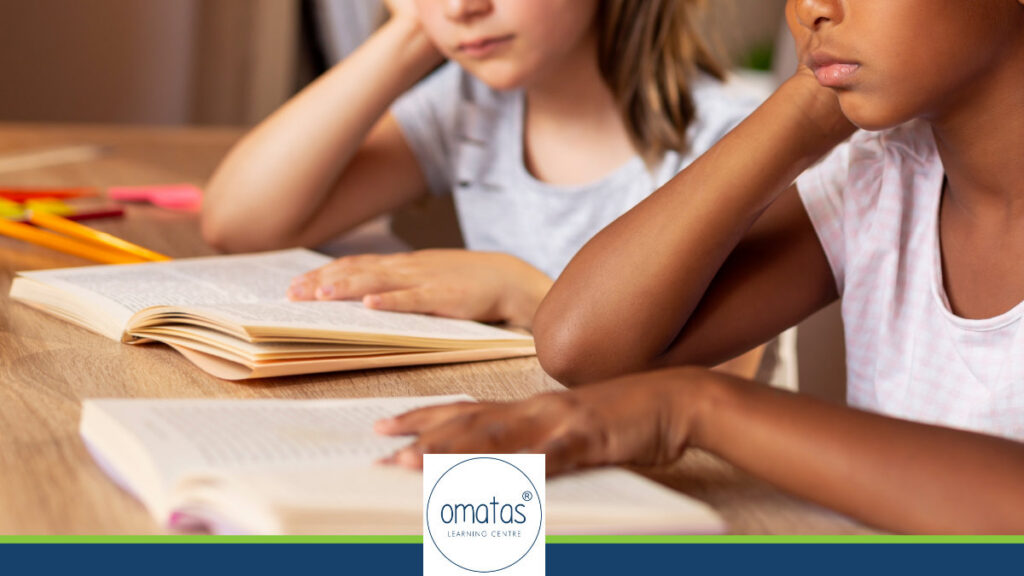
How to Choose the Right School for a Child with ADHD – Part 2
Part 2 (Read Part 1 here) Signs a school may not be the right fit Not every challenge at school
How to Choose the Right School for a Child with ADHD – Part 2 Read Post »
Part 2 (Read Part 1 here) Signs a school may not be the right fit Not every challenge at school
How to Choose the Right School for a Child with ADHD – Part 2 Read Post »
Choosing a school is one of the biggest decisions any parent will make.
When your child has ADHD, that decision can feel even more significant.
You may find yourself reading school websites late at night, asking for recommendations in parenting groups, speaking to therapists, and wondering whether your child would be happier somewhere else.
How to Choose the Right School for a Child with ADHD – Part 1 Read Post »

One of the most common questions parents ask is:
“Is my child too young — or too old — for a remedial school?”
It’s an understandable concern. Changing schools can feel like a major decision, especially when your child is already struggling emotionally or academically. Many parents worry about acting too soon, disrupting their child unnecessarily, or making the “wrong” choice.
At What Age Should a Child Move to a Remedial School? Read Post »

As parents, we often look for obvious signs that our children are struggling at school — poor marks, disciplinary problems, or constant complaints about learning.
But many children who are not truly coping don’t show clear outward signs at first.
Some continue achieving acceptable marks while quietly becoming overwhelmed. Others work twice as hard as their peers just to keep up. Some hold everything together at school and then emotionally unravel at home.
How to Know if Your Child is Coping at School (and when they’re not) Read Post »

If you’re a parent who suspects your child might be struggling in school, you’re not alone, and you’re already doing something important by looking for help. Spotting the early signs of learning difficulties can make a huge difference in your child’s future, so knowing what to look for, especially in the earliest school years, is an essential first step.

Are you wondering if a smaller class could make all the difference for your child, especially if they have special learning needs or ADHD? Many parents are asking the same thing. Here’s what you need to know about class size, why it matters, and how it can impact your child’s learning and happiness.
Small Class Sizes: What Student–Teacher Ratios Really Mean Read Post »

Are you wondering if your child needs more support than their current school can offer? Deciding whether to move from a mainstream to a remedial school, or back again, can be a big step. This guide helps families decide when it’s the right time, what to look out for, and how to make the change as smooth as possible.
Remedial vs Mainstream: When Should You Consider Changing Schools? Read Post »

At OMATAS Learning Centre, we know how easy it is to get caught up in the busyness of daily routines. That’s why, every now and then, we like to pause and reflect on something deeper: why we do what we do.
Why We Do What We Do: A Heartfelt Reminder from the OMATAS Team Read Post »

I want to talk a little bit about how we shut children’s thinking down by mistake. I believe that we can all make huge shifts in our children’s abilities if we pay attention to the impact our words have on them. We often look for the outputs of learning, when in fact we should be focusing on the inputs and the processes of thinking.
Curiosity Saved The Cat Read Post »
Screen time has become an inescapable part of modern life, transforming how children learn, play, and communicate. For children in remedial education, technology can be beneficial. However, excessive screen time can also present challenges, impacting attention spans, emotional well-being, and physical health.
Guide: Balancing Screen Time and Remedial Education Read Post »
In South Africa, remedial education is vital in empowering children with learning difficulties to reach their full potential. For children with challenges such as Autism, ADHD, Dyslexia, and sensory processing disorders, traditional teaching methods often fall short.
The Impact of Art and Creativity in Remedial Education Read Post »
For children with ADHD and Autism, traditional educational environments can often feel overwhelming. The rigid structures, standardised curriculums, and limited
How Assisted Learning Approaches Break Barriers for Students with ADHD and Autism Read Post »
